

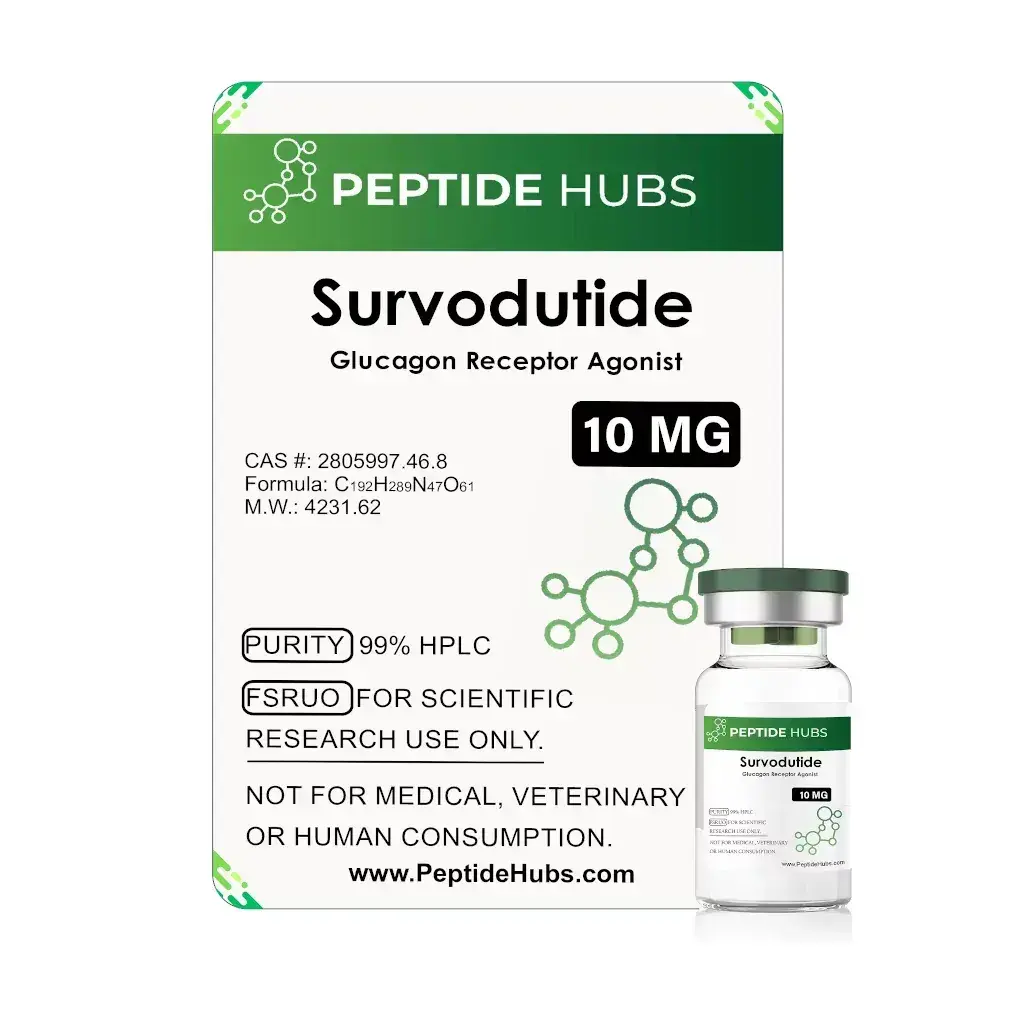
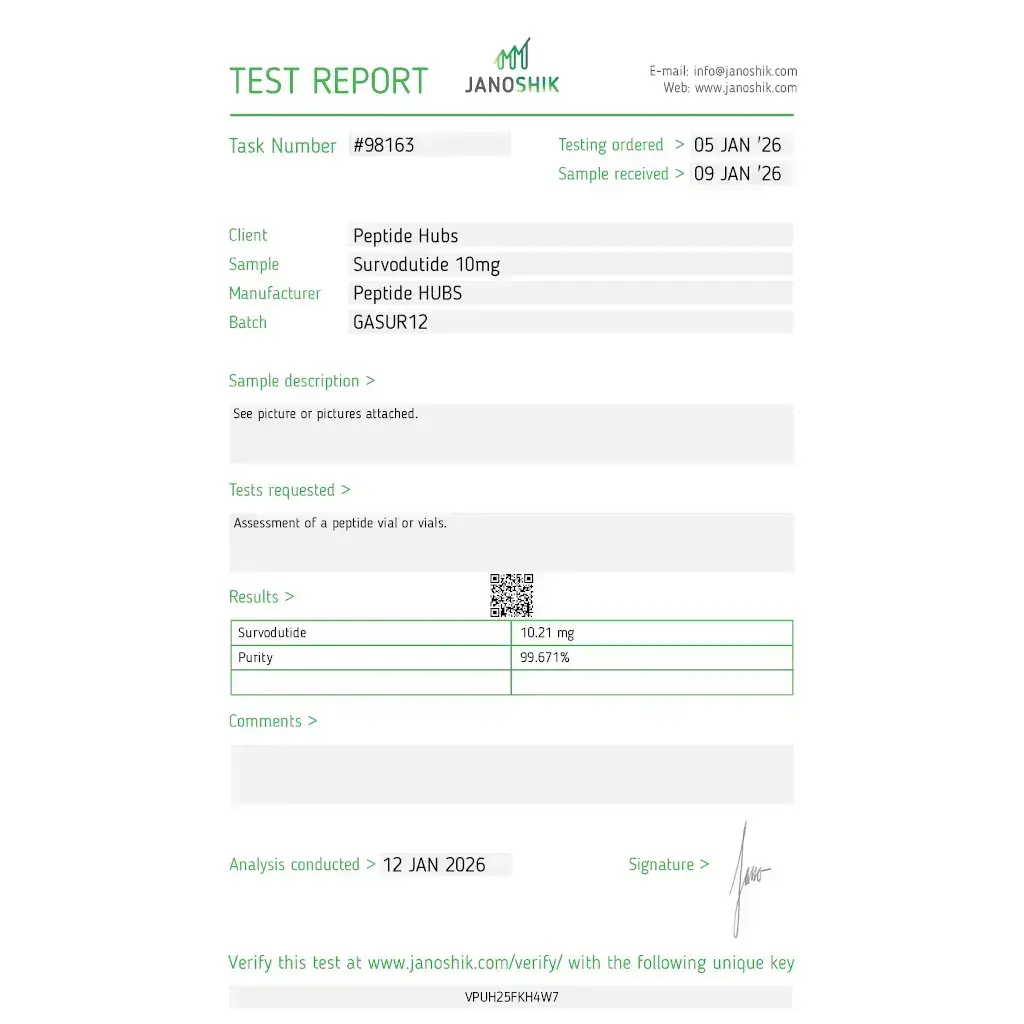
SURVODUTIDE 10 MG
Category: Research Peptide
Package: 2 mL vial (10 mg/vial)
Form: Lyophilized Powder
Brand: Peptide Hubs
Purpose: Dual agonist peptide for research on metabolic regulation, body composition, and fat loss mechanisms.
Laboratory Tested: View Results

Peptide Hubs presents Survodutide 10 mg, a cutting-edge research peptide representing the next generation in metabolic pathway investigation. As a novel dual agonist targeting both glucagon-like peptide-1 (GLP-1) and glucagon receptors, Survodutide (formerly known as BI 456906) offers researchers a sophisticated tool for studying complex metabolic regulation, energy homeostasis, and body composition modulation. This lyophilized powder formulation maintains optimal peptide stability and purity for precise experimental applications in metabolic research.
Each 2 mL vial contains 10 mg of high-purity Survodutide (BI 456906) in lyophilized form. Survodutide is a 39-amino acid peptide engineered with specific modifications to optimize dual receptor binding affinity, metabolic stability, and extended pharmacokinetic profile. The Peptide Hubs manufacturing process ensures batch-to-batch consistency with purity exceeding 99% as verified by HPLC and mass spectrometry analysis. The formulation contains no additional active ingredients, preservatives, or stabilizers that might interfere with research outcomes, allowing scientists to study the compound's effects in isolation with maximum experimental control.
Survodutide is supplied as a sterile lyophilized powder in a 2 mL amber glass vial sealed with a bromobutyl rubber stopper and aluminum overseal. The lyophilization process removes water while maintaining the peptide's tertiary structure and biological activity, ensuring long-term stability. The powder appears as a white to off-white crystalline substance that should dissolve completely in appropriate sterile solvents such as bacteriostatic water or phosphate-buffered saline. The amber glass provides essential protection against light degradation, which is particularly important for peptides with photosensitive amino acid residues.
Survodutide belongs to the investigational incretin-based peptide class with dual receptor agonist activity targeting both GLP-1 and glucagon receptors. While not yet assigned a formal ATC code for therapeutic use, it falls under investigational agents affecting metabolic processes (potential A10 category). The compound represents a significant advancement over earlier single-target GLP-1 agonists by incorporating glucagon receptor activity, creating a balanced mechanism that simultaneously addresses appetite regulation and energy expenditure.
Survodutide exhibits a sophisticated dual agonist mechanism that activates both GLP-1 and glucagon receptors with carefully balanced affinity. The GLP-1 receptor component reduces appetite through central nervous system effects, slows gastric emptying, enhances glucose-dependent insulin secretion, and improves pancreatic beta-cell function. Simultaneously, the glucagon receptor component increases energy expenditure through several mechanisms: stimulating hepatic glucose production, enhancing lipolysis, promoting thermogenesis, and activating brown adipose tissue.
According to research published in The New England Journal of Medicine, Survodutide's dual mechanism produces superior metabolic effects compared to selective GLP-1 agonists in clinical trial models. The glucagon component appears to counteract the potential lean mass loss sometimes observed with pure GLP-1 agonists by increasing protein-sparing effects during weight reduction. Studies indicate Survodutide may preserve fat-free mass by approximately 40% more effectively than selective GLP-1 agonists during equivalent weight loss, making it particularly valuable for body composition research.
The peptide's extended half-life (approximately 120-150 hours in human pharmacokinetic studies) allows for once-weekly administration in research models, providing sustained receptor activation without daily dosing requirements. This pharmacokinetic profile also minimizes peak-trough fluctuations that can contribute to side effects or variable responses in metabolic parameters.
FOR RESEARCH USE ONLY. NOT FOR HUMAN CONSUMPTION. In experimental models, Survodutide has been investigated for potential applications in:
RESEARCH APPLICATIONS ONLY. Experimental protocols vary significantly based on model systems and research objectives. In published non-human primate studies, effective doses typically range from 0.04-0.8 mg/kg administered subcutaneously with weekly frequency. For rodent models, researchers typically use higher relative doses (0.1-1.5 mg/kg) due to metabolic differences and receptor expression variations. The extended half-life allows for less frequent administration compared to shorter-acting peptides, typically once weekly in most research models.
Reconstitution protocol: Using strict aseptic technique, add appropriate volume of sterile bacteriostatic water to the 10 mg vial. For a concentration of 5 mg/mL (ideal for precise dosing in smaller animal models), add 2 mL of solvent. For 2.5 mg/mL, add 4 mL. Gently swirl (do not shake vigorously) until the powder completely dissolves into a clear, colorless solution. Aliquot reconstituted solution into single-use portions and store at -20°C to -80°C based on planned usage timeline. Avoid repeated freeze-thaw cycles to maintain peptide integrity.
In metabolic and body composition research, Survodutide may be studied alongside other compounds to investigate synergistic effects or complementary mechanisms. Researchers might examine Survodutide in combination with:
Stacking strategies should be carefully designed with appropriate controls, dose-response relationships, and consideration of potential receptor cross-talk. Researchers should sequence or phase combinations based on half-lives and mechanism complementarity, and always include adequate washout periods between experimental conditions.
As a research peptide affecting metabolic pathways rather than hormonal axes, Survodutide does not produce the classic hypothalamic-pituitary suppression associated with anabolic compounds. However, researchers conducting longitudinal studies should implement appropriate observation periods after discontinuation to monitor: (1) Rebound effects on appetite and weight stabilization; (2) Persistence or reversal of metabolic improvements; (3) Potential adaptive changes in receptor expression or sensitivity. For studies examining significant weight reduction, researchers might include gradual dose tapering rather than abrupt discontinuation to observe transition effects. No traditional SERM or AI-based post-cycle therapy is required or appropriate for Survodutide research.
RESEARCH OBSERVATIONS ONLY. In experimental models, Survodutide's side effect profile reflects its dual mechanism. Commonly observed effects include transient gastrointestinal symptoms (nausea, decreased appetite, occasional vomiting) during initial exposure, which typically diminish with continued administration over 2-4 weeks. The glucagon component may cause mild to moderate increases in heart rate (10-20 bpm) and systolic blood pressure in some models, though these effects are generally less pronounced than with selective glucagon receptor agonists. Unlike some metabolic agents, Survodutide does not appear to cause significant hypoglycemia due to its balanced mechanism. No evidence of pancreatic toxicity, hepatotoxicity, or thyroid C-cell hyperplasia has been observed at research-relevant doses in preclinical models.
Survodutide is contraindicated for human consumption. For research purposes, experimental designs involving models with pre-existing pancreatic conditions (pancreatitis, pancreatic insufficiency), severe gastrointestinal disorders, or multiple endocrine neoplasia should proceed with extreme caution and additional monitoring. Researchers should avoid using Survodutide in studies where complete appetite suppression would compromise animal welfare or experimental outcomes. Models with history of medullary thyroid carcinoma or MEN2 syndrome may require alternative research approaches due to theoretical C-cell proliferation concerns.
In research settings, doses significantly exceeding typical experimental ranges (10-30 times research concentrations) have produced pronounced gastrointestinal effects, dehydration risk, electrolyte imbalances, and potential cardiovascular effects in animal models. Extreme overdose could theoretically induce severe nausea/vomiting leading to aspiration risk, tachycardia, and marked increases in energy expenditure. Researchers should establish careful dose-response curves and have supportive care protocols in place, including hydration support and antiemetic administration when appropriate. No specific antidote exists; treatment would involve symptomatic management appropriate to the research model and institutional veterinary guidelines.
Survodutide is for laboratory research use only by qualified professionals. Researchers should:
In research models, Survodutide may interact with other compounds affecting metabolic pathways, gastrointestinal function, or cardiovascular parameters. Concurrent administration with other appetite suppressants, antidiabetic agents, or cardiovascular medications could produce additive effects requiring dose adjustment. According to research in Diabetes Journal, dual GLP-1/glucagon agonists may interact with insulin or insulin secretagogues, potentially affecting glycemic control in diabetes models. The compound's effects on gastric emptying may delay absorption of concurrently administered oral medications. Researchers should consider these potential interactions when designing combination studies or complex experimental protocols.
Each package contains one 2 mL amber glass vial with 10 mg of Survodutide as lyophilized powder. The vial is sealed with a bromobutyl rubber stopper (compatible with peptide stability) and aluminum overseal to maintain sterility and prevent moisture ingress. Peptide Hubs packages each vial in individual protective boxes with temperature-stable inserts, desiccant packs, and light-blocking materials. Labels include product name, batch number, manufacturing date, expiration date (typically 24 months from manufacture when stored properly), purity certification, amino acid sequence verification, and "For Research Use Only" designation in compliance with research chemical standards.
Store unopened vials at -20°C or below in original packaging protected from light. Lyophilized Survodutide remains stable for 24 months when stored frozen at -20°C or colder. For short-term use (within 30 days), refrigerated storage at 2-8°C is acceptable but not optimal for maximum stability. Avoid temperature fluctuations and exposure to humidity, which can degrade peptide integrity through hydrolysis or aggregation. After reconstitution, aliquoted solutions should be stored at -20°C to -80°C and used within 30 days, avoiding repeated freeze-thaw cycles. Always inspect reconstituted solutions for clarity and absence of particles or precipitation before research use.
Peptide Hubs ships Survodutide 10 mg to research facilities in the United States through specialized temperature-controlled logistics that maintain frozen conditions (-20°C) throughout transit. All packages include temperature data loggers and are discreetly labeled for research use only with appropriate documentation consistent with research chemical distribution. Domestic reshipping services ensure reliable delivery to all 50 states with real-time tracking provided. Researchers should verify institutional policies regarding receipt of research peptides and ensure proper -20°C storage facilities are available immediately upon delivery. Typical delivery requires 5-10 business days with expedited and Saturday delivery options available for time-sensitive research.
Survodutide is sold exclusively as a research chemical for laboratory investigation. It is not approved by the FDA for human use and remains an investigational compound in clinical development. In the United States, possession and use are legal for qualified researchers and institutions when used in compliance with applicable laws governing research chemicals. Purchasers must be at least 18 years old, represent legitimate research entities (universities, research institutes, pharmaceutical companies), and agree to use the product exclusively for non-human research in controlled laboratory settings. Researchers must comply with all institutional, IACUC, state, and federal regulations governing animal research and chemical safety.
/
Peptide Hubs, USA
Survodutide differs from traditional GLP-1 agonists through its dual agonist mechanism targeting both GLP-1 and glucagon receptors simultaneously. While GLP-1 agonists primarily reduce appetite and improve glycemic control, Survodutide adds glucagon receptor activation which increases energy expenditure, enhances fat oxidation, and promotes thermogenesis. This balanced approach may produce superior metabolic effects and better preservation of lean mass during weight reduction. Research suggests Survodutide preserves approximately 40% more fat-free mass compared to selective GLP-1 agonists during equivalent weight loss, making it particularly valuable for body composition research.
Survodutide offers unique value for body composition research due to its dual mechanism that addresses both sides of the energy balance equation. The GLP-1 component reduces caloric intake through appetite suppression, while the glucagon component increases energy expenditure through multiple pathways. This balanced approach appears to preferentially target fat mass while better preserving lean mass compared to single-mechanism agents. Research indicates Survodutide may increase resting energy expenditure by 10-15% while reducing body fat by 15-25% in animal models, with significantly better lean mass preservation than selective GLP-1 agonists.
For research applications, reconstitute the 10 mg vial with sterile bacteriostatic water. For a concentration of 5 mg/mL (ideal for precise dosing in smaller animal models), add 2 mL of solvent. For 2.5 mg/mL, add 4 mL. Use strict aseptic technique and gently swirl (avoid vigorous shaking) until complete dissolution into a clear solution. The extended half-life (approximately 5-6 days) allows for once-weekly administration in most research models. Aliquot reconstituted solution into single-use portions and store at -20°C or below. Use within 30 days after reconstitution for optimal stability.
Yes, researchers often study Survodutide in combination with other compounds to investigate synergistic effects on metabolism and body composition. Common research combinations include Semaglutide for comparative mechanism studies, Tirzepatide for different dual agonist comparisons, Cagrilintide for combined satiety effects, Tesamorelin for growth hormone pathway interactions, or GHRP-6 for body composition enhancement during caloric restriction. However, stacking should be carefully designed with appropriate controls, and researchers should consider potential receptor cross-talk and the extended half-life of Survodutide when planning administration schedules.
Yes, Peptide Hubs Survodutide 10 mg is legal for purchase and use in the United States for legitimate research purposes by qualified individuals and institutions. The product is sold explicitly as a research chemical "not for human consumption" and complies with applicable regulations governing research compounds. Purchasers must be at least 18 years old, represent legitimate research entities, and agree to use the product exclusively for non-human laboratory research in compliance with all institutional, IACUC, state, and federal guidelines. Documentation is provided consistent with research chemical standards.
Please log in to write Survodutide 10 mg review.
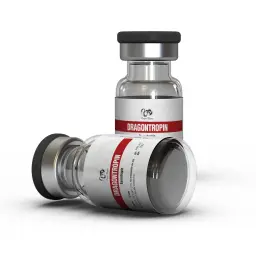
SOMATROPIN (R-HGH) 100 IU
Category: Growth Hormone Analog
Package: 1 kit [10 Vials] (10 IUs/vial)
Form: Powder
Brand: Dragon Pharma, Europe
Purpose: Weight Loss / Cutting Cycle
Laboratory Tested: View Results
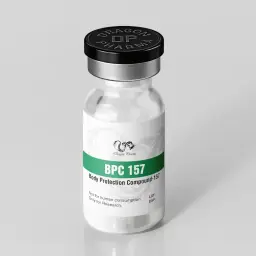
PENTADECAPEPTIDE 2 MG
Category: Human Peptide Hormone
Package: 2 mL Vial (2 mg/vial)
Form: Powder
Brand: Dragon Pharma
Purpose: N/A
Laboratory Tested: View Results
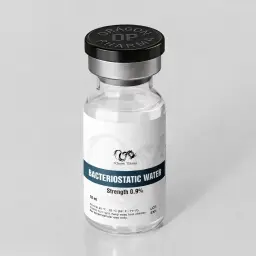
STERILE WATER 0.9%
Category: Water for Injection
Package: 10 mL Vial (0.9%/vial)
Brand: Dragon Pharma
Purpose: For mixing peptides
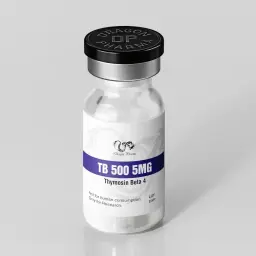
TB 500 5 MG
Category: Systemic Healing & Recovery Peptide
Package: 2 mL Vial (5 mg/vial)
Form: Lyophilized Powder for Injection
Brand: Dragon Pharma
Purpose: Accelerates healing of muscles, tendons, ligaments, and skin by promoting cell migration, angiogenesis, and reducing inflammation systemically.
Laboratory Tested: View Result