

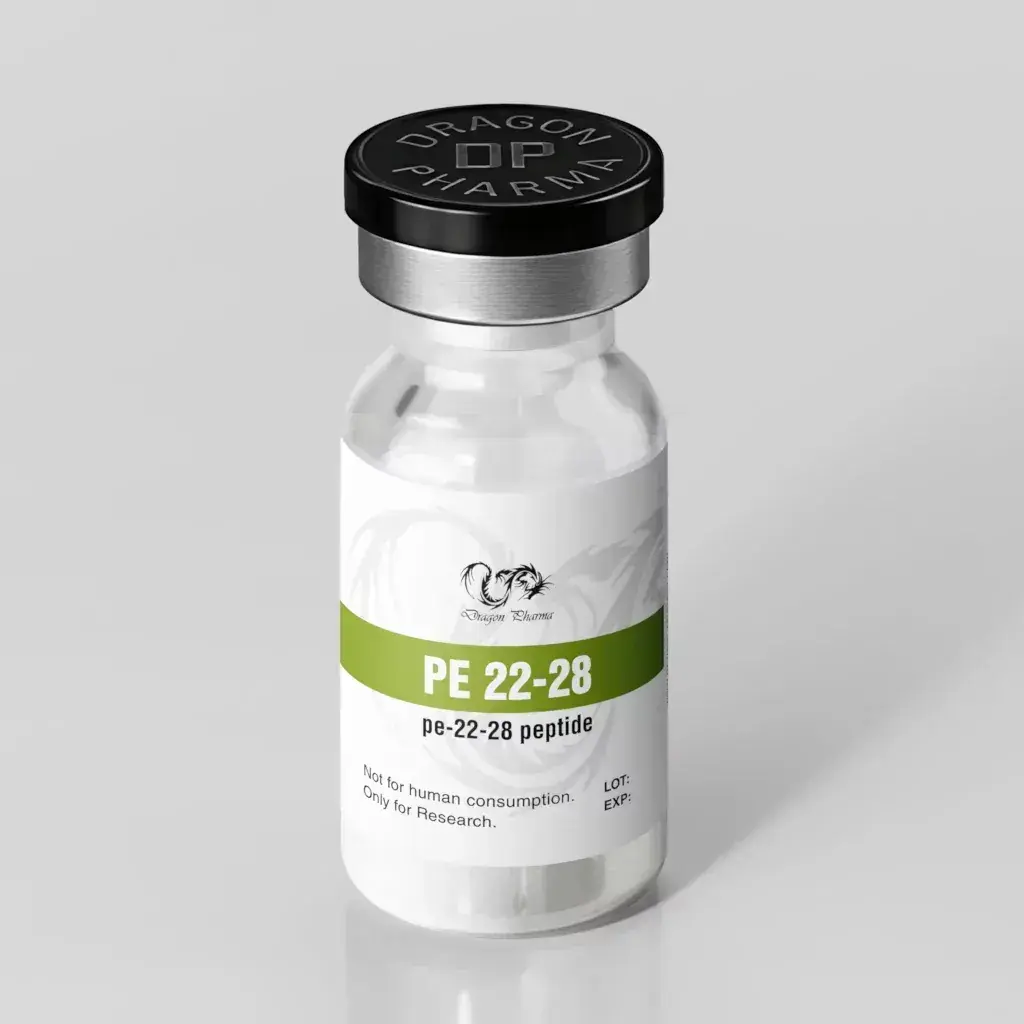
PE 22-28 10 MG
Category: Research Peptide
Package: 2 mL vial (10 mg/vial)
Form: Lyophilized Powder
Brand: Dragon Pharma
Purpose: PACAP-derived peptide for research on neuroprotection, cognitive function, and synaptic plasticity.
Dragon Pharma presents PE 22-28 10 mg, a specialized research peptide derived from the C-terminal fragment of pituitary adenylyl cyclase-activating polypeptide (PACAP 1–38). This synthetic heptapeptide (Gly-Ile-Ala-Gly-Ala-Ser-Asp-Arg) retains significant biological activity while offering researchers a more stable and focused tool for investigating neuropeptide signaling pathways. PE 22-28 serves as a valuable model compound for studying synaptic plasticity, neurotrophic modulation, and peptide-mediated neuroprotection mechanisms in preclinical research systems.
Each 2 mL vial contains 10 mg of high-purity PE 22-28 (PACAP fragment 22-28) in lyophilized form. The peptide sequence corresponds to residues 22-28 of the full-length PACAP molecule, which research indicates contains the core receptor-binding domain responsible for PAC1 receptor activation. Dragon Pharma's manufacturing ensures batch-to-batch consistency with purity exceeding 99% as verified by HPLC and mass spectrometry analysis. The formulation contains no additional active ingredients, preservatives, or stabilizers that might interfere with experimental outcomes, allowing researchers to study the compound's effects in isolation.
PE 22-28 is supplied as a sterile lyophilized powder in a 2 mL amber glass vial sealed with a bromobutyl rubber stopper and aluminum crimp seal. The lyophilization process removes water while maintaining the peptide's conformational integrity and biological activity. The powder appears as a fine white crystalline substance that should dissolve completely in appropriate sterile solvents such as bacteriostatic water or phosphate-buffered saline. The amber glass provides protection against light degradation, which is particularly important for peptides sensitive to photolysis.
PE 22-28 belongs to the investigational neuropeptide class derived from pituitary adenylyl cyclase-activating polypeptide (PACAP). While not assigned a formal ATC code for therapeutic use, it falls under investigational agents affecting the nervous system (potential N category). The peptide represents a focused research tool for studying specific domains of PACAP signaling without the complexity and rapid degradation associated with the full 38-amino acid parent molecule.
PE 22-28 exerts its research-observed effects primarily through activation of PAC1 receptors, which are G-protein coupled receptors abundantly expressed in the central nervous system, particularly in regions associated with learning, memory, and stress response. Upon receptor binding, PE 22-28 triggers intracellular signaling cascades involving adenylate cyclase activation, cAMP accumulation, protein kinase A (PKA) stimulation, and downstream CREB (cAMP response element-binding protein) phosphorylation. This signaling pathway modulates gene expression patterns related to neuronal survival, synaptic plasticity, and neuroprotection.
Research published in journals like Neuropharmacology indicates that despite its truncated structure, PE 22-28 retains significant biological activity. Studies demonstrate that the peptide enhances neuronal survival under oxidative stress conditions, promotes neurite outgrowth, and modulates neurotransmitter release. Interestingly, while full-length PACAP shows high affinity for both PAC1 and VPAC receptors, PE 22-28 appears more selective for PAC1 receptors, making it a valuable tool for studying specific receptor subtype contributions to neuroprotective mechanisms.
Additional research suggests PE 22-28 may influence cognitive processes through modulation of long-term potentiation (LTP), the cellular correlate of learning and memory. The peptide appears to enhance synaptic strength in hippocampal circuits and may facilitate memory consolidation processes. These properties make PE 22-28 particularly interesting for research examining cognitive enhancement, neuroprotection against excitotoxicity, and recovery from neural injury.
FOR RESEARCH USE ONLY. NOT FOR HUMAN CONSUMPTION. In experimental models, PE 22-28 has been investigated for potential applications in:
RESEARCH APPLICATIONS ONLY. Experimental protocols vary significantly based on model systems, administration routes, and research objectives. In published rodent studies investigating neuroprotective effects, effective doses typically range from 10-100 μg/kg when administered intracerebroventricularly or systemically. For in vitro applications using neuronal cell cultures, concentrations from 10 nM to 1 μM are commonly tested. The peptide's relatively short half-life (approximately 15-30 minutes in circulation) requires consideration of administration frequency in longitudinal studies.
Reconstitution protocol: Using aseptic technique, add appropriate volume of sterile bacteriostatic water or physiological buffer to the 10 mg vial. For a concentration of 5 mg/mL, add 2 mL of solvent; for 2.5 mg/mL, add 4 mL. Gently swirl the vial until the powder completely dissolves into a clear solution. Avoid vigorous shaking or vortexing, which can cause denaturation or foaming. For research requiring repeated administration, aliquot reconstituted solution into single-use portions and store at -20°C or below to maintain stability.
In neuroscience and cognitive research, PE 22-28 may be combined with other compounds to investigate synergistic effects on neuroprotection, cognitive enhancement, or neural recovery. Researchers might examine PE 22-28 alongside:
Note: Since some of the traditional nootropics mentioned above might not be in your Dragon Pharma product list, here are alternative stacking options from your available products:
As a research peptide affecting neuropeptide signaling rather than hormonal axes, PE 22-28 does not produce the classic hypothalamic-pituitary suppression associated with anabolic compounds. However, researchers conducting longitudinal studies should consider appropriate washout periods to assess persistence of effects and potential rebound phenomena. For studies examining cognitive or neuroprotective effects, researchers might include follow-up observation periods to determine duration of benefits after peptide discontinuation. No traditional SERM or AI-based post-cycle therapy is required or appropriate for PE 22-28 research.
RESEARCH OBSERVATIONS ONLY. In experimental models, PE 22-28 has demonstrated an excellent safety profile with minimal observed adverse effects at research-relevant doses. Unlike some neuroactive compounds, it does not appear to cause significant sedation, stimulation, or autonomic disturbances at typical research concentrations. At extremely high doses (significantly above research recommendations), some studies noted transient alterations in exploratory behavior and minor changes in cardiovascular parameters. No evidence of neurotoxicity, hepatotoxicity, or renal toxicity has been reported in research literature. The peptide's selectivity for PAC1 receptors may contribute to its favorable side effect profile compared to broader-acting neuropeptides.
PE 22-28 is contraindicated for human consumption. For research purposes, experimental designs involving models with severe neurological conditions, uncontrolled seizures, or specific receptor pathway alterations should include additional monitoring and controls. Researchers should exercise caution when studying the peptide in models with blood-brain barrier compromise, as this could alter distribution and effects. Studies involving pregnant animal models require special consideration due to PACAP's known roles in fetal development.
In research settings, doses significantly exceeding typical experimental ranges have shown diminishing returns rather than acute toxicity in animal models. However, extreme overdose theoretically could lead to excessive cAMP signaling with potential cardiovascular or neurological consequences. Researchers should establish careful dose-response relationships and have appropriate monitoring in place for high-dose studies. No specific antidote exists for PE 22-28 overdose in research models; management would involve supportive care appropriate to the experimental system and observed effects.
PE 22-28 is for laboratory research use only by qualified professionals. Researchers should: (1) Consider the peptide's relatively short half-life when designing administration schedules for longitudinal studies; (2) Use appropriate intracerebral administration techniques when studying central nervous system effects; (3) Monitor behavioral parameters in animal models, especially in cognitive testing paradigms; (4) Maintain strict aseptic technique during reconstitution and administration to prevent contamination; (5) Store both lyophilized and reconstituted material at recommended temperatures protected from light; (6) Design experiments with appropriate controls to account for potential vehicle effects and natural variability in neurological endpoints.
In research models, PE 22-28 may interact with other compounds affecting cAMP signaling, neurotransmitter systems, or neuroprotective pathways. Concurrent administration with phosphodiesterase inhibitors (which prolong cAMP effects) could produce synergistic or amplified responses. According to research in PLOS ONE, PACAP derivatives may interact with glutamate system modulators, potentially influencing excitotoxicity thresholds. Combinations with other neuroprotective agents might produce additive or synergistic effects that require dose adjustment. Researchers should review literature on PACAP signaling interactions when designing combination studies.
Each package contains one 2 mL amber glass vial with 10 mg of PE 22-28 as lyophilized powder. The vial is sealed with a bromobutyl rubber stopper (compatible with peptide stability) and aluminum overseal to maintain sterility and prevent moisture ingress. Dragon Pharma packages each vial in individual protective boxes with temperature-stable inserts, desiccant packs, and light-blocking materials. Labels include product name, batch number, manufacturing date, expiration date (typically 24 months from manufacture when stored properly), amino acid sequence verification, and "For Research Use Only" designation.
Store unopened vials at -20°C or below in original packaging protected from light. Lyophilized PE 22-28 remains stable for 24 months when stored frozen. For short-term use (within 30 days), refrigerated storage at 2-8°C is acceptable. Avoid temperature fluctuations and exposure to humidity, which can degrade peptide integrity. After reconstitution, aliquoted solutions should be stored at -20°C to -80°C and used within 14 days to ensure stability. Always inspect reconstituted solutions for clarity and absence of particles before research use. The amber glass provides additional protection against light-induced degradation.
Dragon Pharma ships PE 22-28 10 mg to research facilities in the United States. All packages are discreetly labeled for research use only with appropriate documentation consistent with research chemical distribution. Domestic reshipping services ensure reliable delivery to all 50 states with tracking provided. Researchers should verify institutional policies regarding receipt of research peptides. Typical delivery requires 7-14 business days depending on location and customs processing.
PE 22-28 is sold exclusively as a research chemical for laboratory investigation. It is not approved by the FDA for human use, diagnosis, or treatment of any condition. In the United States, possession and use are legal for qualified researchers and institutions when used in compliance with applicable laws governing research chemicals. Purchasers must be at least 18 years old, represent legitimate research entities, and agree to use the product exclusively for non-human research in controlled laboratory settings. Researchers must comply with all institutional, IACUC, state, and federal regulations.
/
Dragon Pharma, Europe
PE 22-28 is primarily used in neuroscience research investigating neuroprotection, cognitive function, and synaptic plasticity. Researchers study its effects on neuronal survival under stress conditions, memory formation processes, neurotrophic signaling, and recovery from neural injury. The peptide's selective activation of PAC1 receptors makes it valuable for studying specific aspects of PACAP signaling without the complexity of the full-length molecule. Applications include models of neurodegenerative conditions, cognitive enhancement, stress adaptation, and neural repair mechanisms.
PE 22-28 represents the C-terminal fragment (residues 22-28) of the full 38-amino acid PACAP molecule. While retaining significant biological activity, it offers several research advantages: 1) Greater stability and resistance to enzymatic degradation compared to the full-length peptide, 2) More selective activation of PAC1 receptors versus broader receptor affinity, 3) Simplified structure for studying specific functional domains, and 4) Potentially different pharmacokinetic properties. Research suggests the fragment maintains core neuroprotective functions while possibly exhibiting distinct therapeutic windows and effect profiles.
For research applications, reconstitute the 10 mg vial with sterile bacteriostatic water or appropriate physiological buffer. For a concentration of 5 mg/mL, add 2 mL of solvent; for 2.5 mg/mL, add 4 mL. Use aseptic technique and gently swirl (avoid vigorous shaking) until complete dissolution into a clear solution. Due to the peptide's relatively short half-life (15-30 minutes), consider administration frequency in study design. Aliquot reconstituted solution into single-use portions and store at -20°C or below. Use within 14 days after reconstitution for optimal stability.
Yes, researchers often study PE 22-28 in combination with other compounds to investigate synergistic effects on neuroprotection and cognitive function. Common research combinations include Semax or Selank for comparative neuroprotective mechanisms, BPC-157 for combined tissue repair approaches, CJC-1295 DAC for growth hormone pathway interactions, or NAD+ for cellular energy metabolism studies. However, stacking should be carefully designed with appropriate controls, and researchers should consider potential signaling pathway interactions and pharmacokinetic profiles.
Yes, Dragon Pharma PE 22-28 10 mg is legal for purchase and use in the United States for legitimate research purposes by qualified individuals and institutions. The product is sold explicitly as a research chemical "not for human consumption" and complies with applicable regulations governing research compounds. Purchasers must be at least 18 years old, represent legitimate research entities, and agree to use the product exclusively for non-human laboratory research in compliance with all institutional, IACUC, state, and federal guidelines.
Please log in to write PE 22-28 10 mg review.

ISOTRETINOIN 20 MG
Category: Retinoid
Package: 100 pills (20 mg/pill)
Brand: Dragon Pharma, Europe
Purpose: Treats Severe Acne
Laboratory Tested: View Results
OXANDROLONE 10 MG
Category: Androgen; Anabolic Steroid
Package: 100 pills (10 mg/pill)
Brand: Dragon Pharma, Europe
Purpose: Cutting Cycle
Laboratory Tested: View Results
ANASTROZOLE 1 MG
Category: Aromatase Inhibitor; Antiestrogen
Package: 100 pills (1 mg/pill)
Brand: Dragon Pharma, Europe
Purpose: Blocks the Aromatase Enzyme
Laboratory Tested: View Results
EXEMESTANE 25 MG
Category: Aromatase Inhibitor; Antiestrogen
Package: 100 pills (25 mg/pill)
Brand: Dragon Pharma, Europe
Purpose: Lower Estrogen Levels
Laboratory Tested: View Results
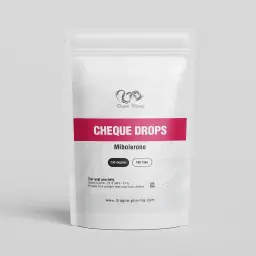
MIBOLERONE 250 MCG
Category: Oral Anabolic Androgenic Steroid
Package: 100 pills (250 mcg/pill)
Brand: Dragon Pharma, Europe
Purpose: Mass, Bulking, Strength Cycle
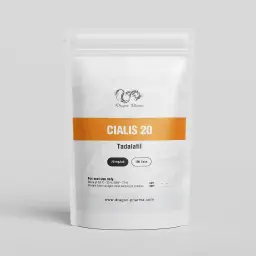
TADALAFIL CITRATE 20 MG
Category: PDE5 Inhibitor
Package: 100 pills (20 mg/pill)
Brand: Dragon Pharma, Europe
Purpose: Male Sexual Enhancement Pills
Laboratory Tested: View Results
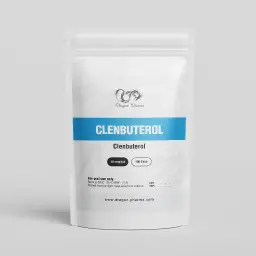
CLENBUTEROL HYDROCHLORIDE 40 MCG
Category: Beta-2 Agonist, Bronchodilator
Package: 100 pills (40 mcg/pill)
Brand: Dragon Pharma, Europe
Purpose: Weight Loss / Cutting Cycle
Laboratory Tested: View Results

CLOMIPHENE CITRATE 50 MG
Category: Selective Estrogen Receptor Modulator; Progonadotropin
Package: 100 pills (50 mg/pill)
Brand: Dragon Pharma, Europe
Purpose: Boost Testosterone Levels
Laboratory Tested: View Results